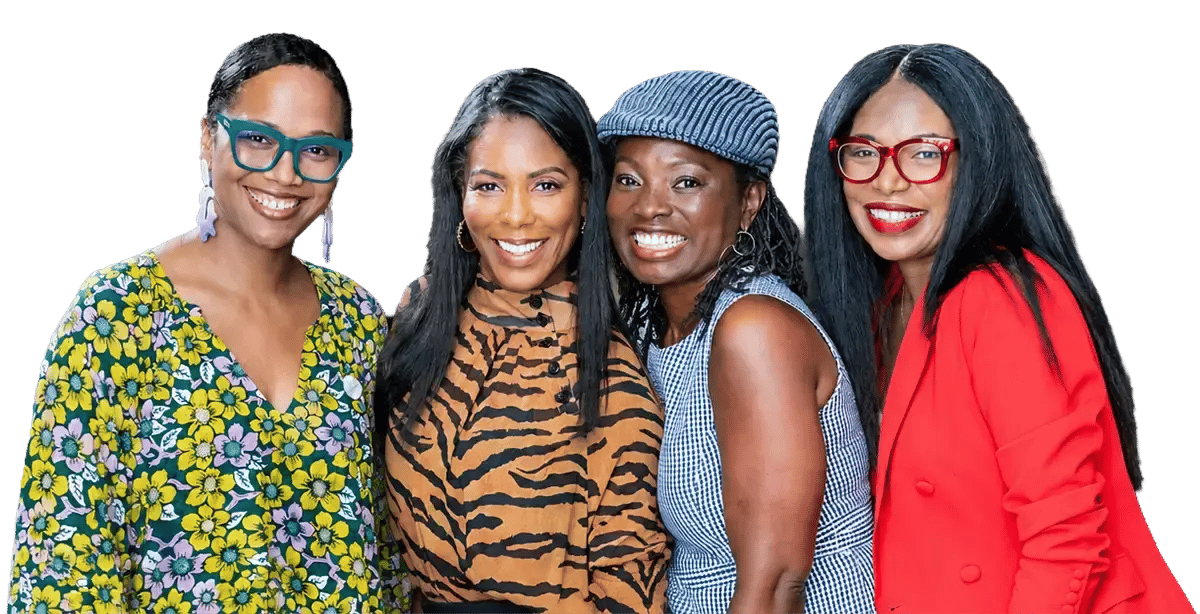
Strong Roots.
Strong Bones
Protect your bones.
Strengthen your future.
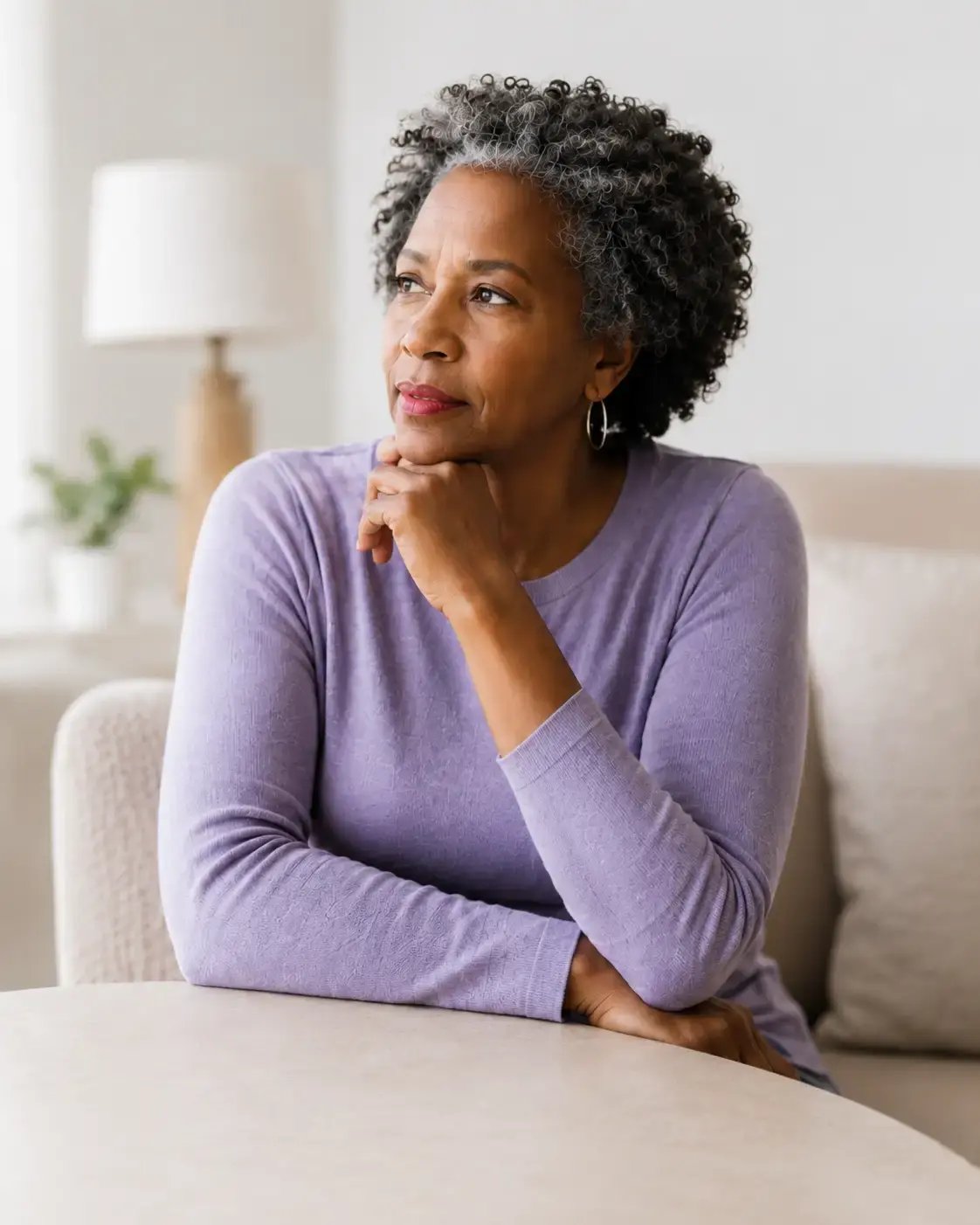
During perimenopause and menopause, your bones need extra care. Eating well, staying active, managing stress, and strength training can help preserve bone density, build muscle, improve balance, and support lifelong bone strength.
“We’ve always carried the world. Let’s make sure our bones can keep carrying us.”
Why Bone Health Matters Now

Bone is
living tissue.
Your body is constantly breaking down and rebuilding bone. The choices you make every day can help support that process.

Menopause changes bone health.
During perimenopause and menopause, hormone changes can speed up bone loss. That's where tools and habits are needed to strengthen your bones and lower your risk of a bone breaking.

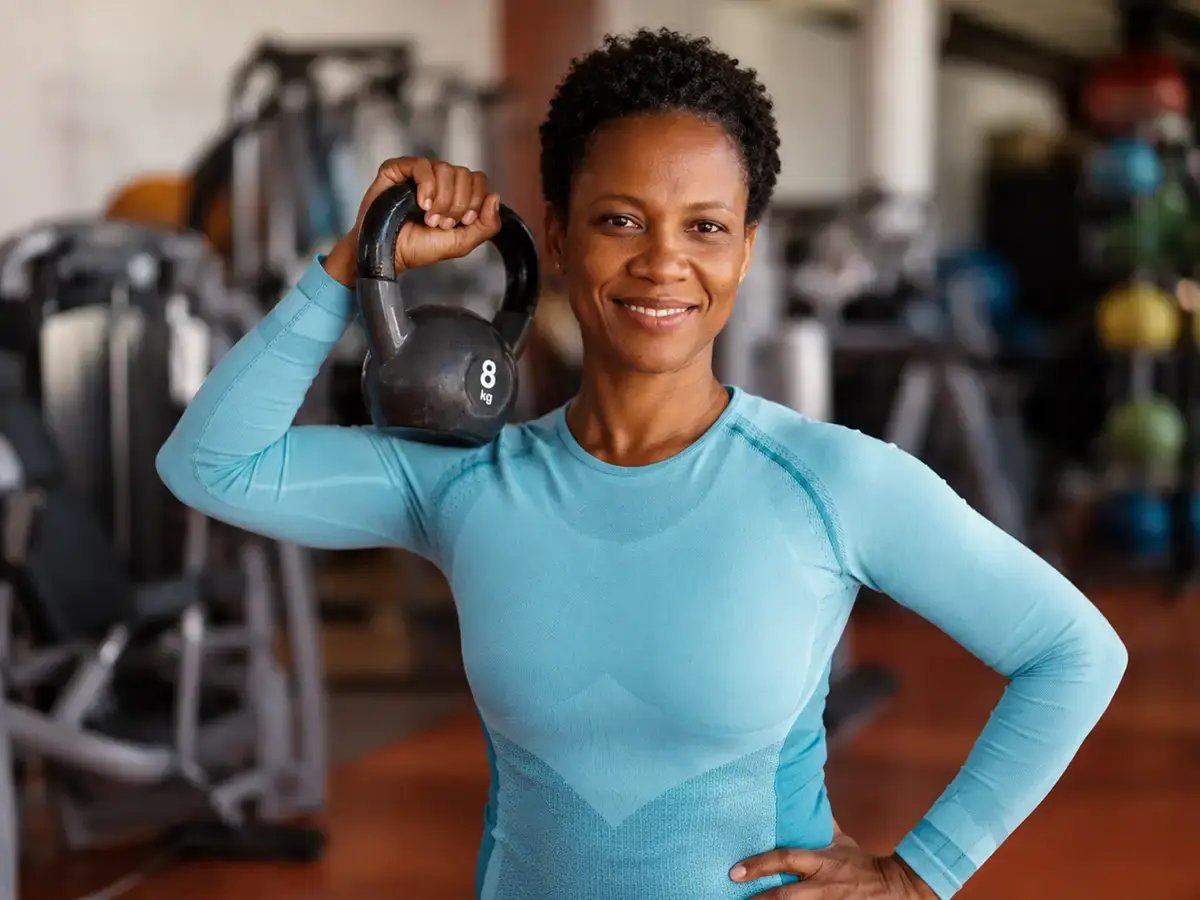
Strength training helps protect your frame.
Movement that challenges your muscles and bones can help support bone density, balance, and stability.
Take The Next Step
What’s Your Bone Health Risk?
Bone health is personal. Your age, family history, menopause journey, lifestyle, and health history can all shape your risk.

Let’s make informed health the standard, not the exception.

Featured Conversation
Janet Hubert’s Bone Health Wake-Up Call
She opens up about her osteoporosis diagnosis and the myth that Black women do not need to worry about bone health.
The First Fracture
Should Start a Conversation
For many women, a broken bone after menopause is the first sign that their bones may be weakening. But too often, the fracture heals and the bigger question never gets asked: Could this be osteoporosis?
If you’ve broken a bone after age 50, talk with your healthcare provider about your bone health, your risk for future fractures, and whether a DXA scan is right for you.
A DXA scan, also called a bone density test, is a quick, painless exam that measures the strength and mineral density of your bones. Unlike a standard X-ray, it can help detect bone loss before symptoms appear. Healthcare providers use DXA scans to screen for osteopenia, osteoporosis and other conditions that may quietly weaken your bones over time.
Healing the fracture matters.
Understanding why it happened matters too.
Featured Video
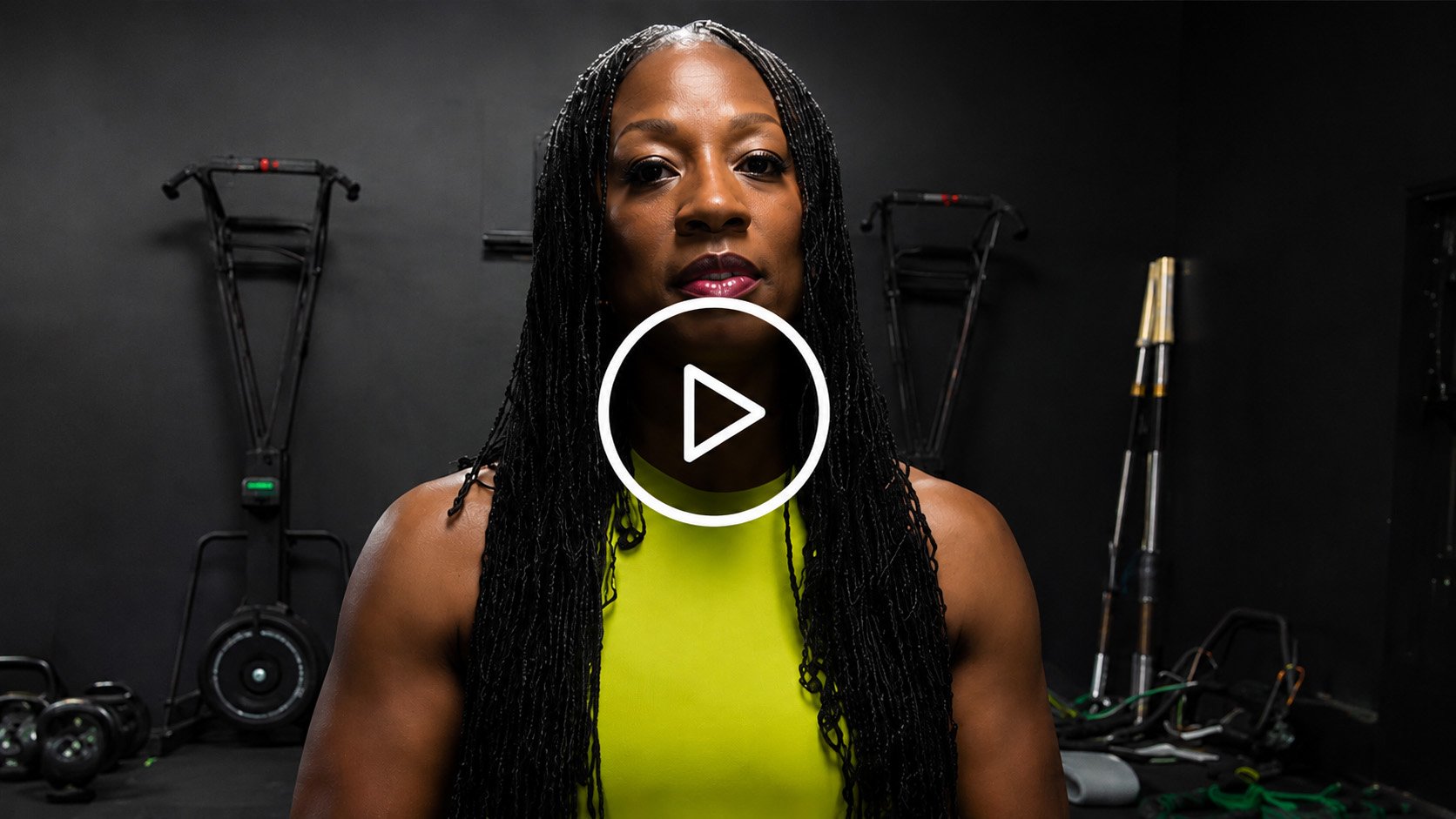
Bone Health Myths Black Women Need to Stop Believing
Many Black Women are told they don't need to worry about osteoporosis. That's a myth, and a dangerous one.
Dr. Sheila Payton breaks down the myths, the risks, and the power of knowing your body. Watch to learn how to help protect your bones, spot early warning signs, and take steps toward more lifelong strength and stability.
More Independent Support
Bone Health Is Part of the Menopause Conversation
Want more information about menopause, perimenopause, and healthy aging? Visit Power in the Pause, BWHI's resource hub designed to help Black women navigate this stage of life with trusted information, real conversation, and culturally grounded support.